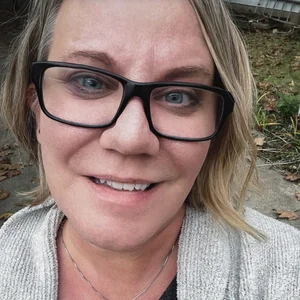
The Moment I Stopped Calling Myself a Photographer
Once upon a time, I was a photographer.
Not just casually — I went to school for it. I studied photography, earned a degree, and built a career around it. For years, my camera was my job, my identity, and the way I experienced the world.
I worked as a newspaper photographer and photojournalist, documenting everyday life in Idaho and Ohio. Later, I moved into freelance work in Los Angeles, photographing everything from movie sets and television productions to athletes and events. Eventually my work expanded into graphic design as well.
For a long time, my entire world revolved around the creative industry. And yet, somewhere along the way, something quietly shifted. It wasn’t dramatic. I didn’t suddenly stop loving photography, and I still enjoy taking photos when the moment calls for it. But one day I realized something that was surprisingly hard to admit:
I no longer feel like a photographer.
For years that identity was so tied to who I was that letting go of it felt strange. But the truth was simple. My passion had moved somewhere else.
Today my focus is on building an art practice centered around creating with your hands — and helping other people realize they can do the same. Because the art world is a strange place. On one side, you have working artists — the ones I know personally — who are often living paycheck to paycheck while still creating because they genuinely love it.
On the other side, you have headlines about conceptual artwork selling for staggering amounts of money.
A few years ago, a banana duct-taped to a wall made international news when it sold for an enormous price at an art fair. The artist, Maurizio Cattelan, wasn’t necessarily claiming the banana itself was valuable — the piece was a commentary on the art market itself.
In a strange way, the artwork succeeded perfectly.
It exposed something that many artists already knew: the art market can sometimes be less about the art and more about the spectacle surrounding it. For people outside the art world, moments like that can make art feel distant, confusing, or even absurd. But creativity itself has never belonged exclusively to galleries or collectors.
It belongs to people.
Some of the most creative individuals I know are not famous artists. They’re people who crochet blankets, write stories, sketch in notebooks, build furniture, carve wood, or quietly paint after work because it brings them joy.
They aren’t doing it for galleries. They’re doing it because making something with their hands makes life feel a little fuller. That’s the part of art that matters to me now. Not the side built around exclusivity and high prices, but the everyday creativity that exists outside of it.
That shift in perspective is what led me to create The Wandering Palette Art Club.
Instead of focusing only on selling finished artwork, I began focusing on small art studies — simple paintings that anyone can try. Each month I take one of my ACEO paintings and turn it into a small lesson designed for practice, experimentation, and curiosity. The goal isn’t to create a masterpiece. The goal is simply to create.
Photography will always be part of my past — and part of the path that brought me here.
But these days, I introduce myself a little differently.
I’m an artist.
And more importantly, I believe creativity belongs to everyone — not just the people who can afford to collect it.