Why I support protecting handmade artists, but still have questions about what Etsy considers an unedited photograph.
I've been a professional photographer since 1994. I studied photography in college, earned my degree in Studio Art, and learned photography when film, darkrooms, and chemical processing were still part of the everyday workflow.
I was also introduced to Photoshop when it was in its earliest versions. I've watched photography evolve from film to digital cameras, smartphones, and now artificial intelligence. Honey, what do you want? Do you want you want hug to go outside? That's all go outside.
And through all those changes, one thing has remained important to me: A photograph should accurately represent what you're photographing.
Photography Has Always Involved Editing
Long before Photoshop existed, photographers made adjustments in the darkroom.
We controlled exposure, contrast, highlights, and shadows. We dodged and burned areas of photographs to improve how an image was presented.
When digital photography and Photoshop became more widely used, the news industry had to address an important ethical question: At what point does editing become manipulation?
Photojournalism organizations developed standards that distinguished acceptable tonal and color corrections from alterations that changed the actual content of an image.
I spent years working in photography, including photojournalism, and those principles have stayed with me.
Today, I use Photoshop to prepare photographs of my original artwork for my Etsy shop.
Sometimes I crop an image. Sometimes I correct the exposure or adjust the color balance because the camera didn't capture the painting exactly as it appears in person.
I'm not changing the artwork. I'm trying to represent it accurately.
That's a distinction I think Etsy needs to understand.
Etsy's New Policy Is a Step in the Right Direction
On October 22, 2026, Etsy announced updates to its policies concerning AI-generated content and listing photography.
One of the most significant changes is that most physical product listings must now include at least one unedited photograph of the actual item against a real background.
Etsy also continues to permit editing of additional listing photographs, including certain AI-assisted adjustments, as long as those images accurately represent what the customer will receive.
Personally, I support Etsy taking steps to address misleading product imagery.
As an artist who creates my own work, I understand the frustration surrounding AI-generated content, particularly when images are used to advertise products that don't actually exist or that look substantially different from what arrives in the mail.
But I also recognize that AI is not entirely prohibited on Etsy. The platform continues to allow certain seller-prompted AI creations with disclosure requirements.
So this policy isn't simply about removing AI from Etsy. It's about defining what is acceptable and protecting buyers from misrepresentation.
And that's where I have questions.
What Exactly Is an Unedited Photograph?
Etsy states that the required unedited photograph cannot be changed or edited in any way.
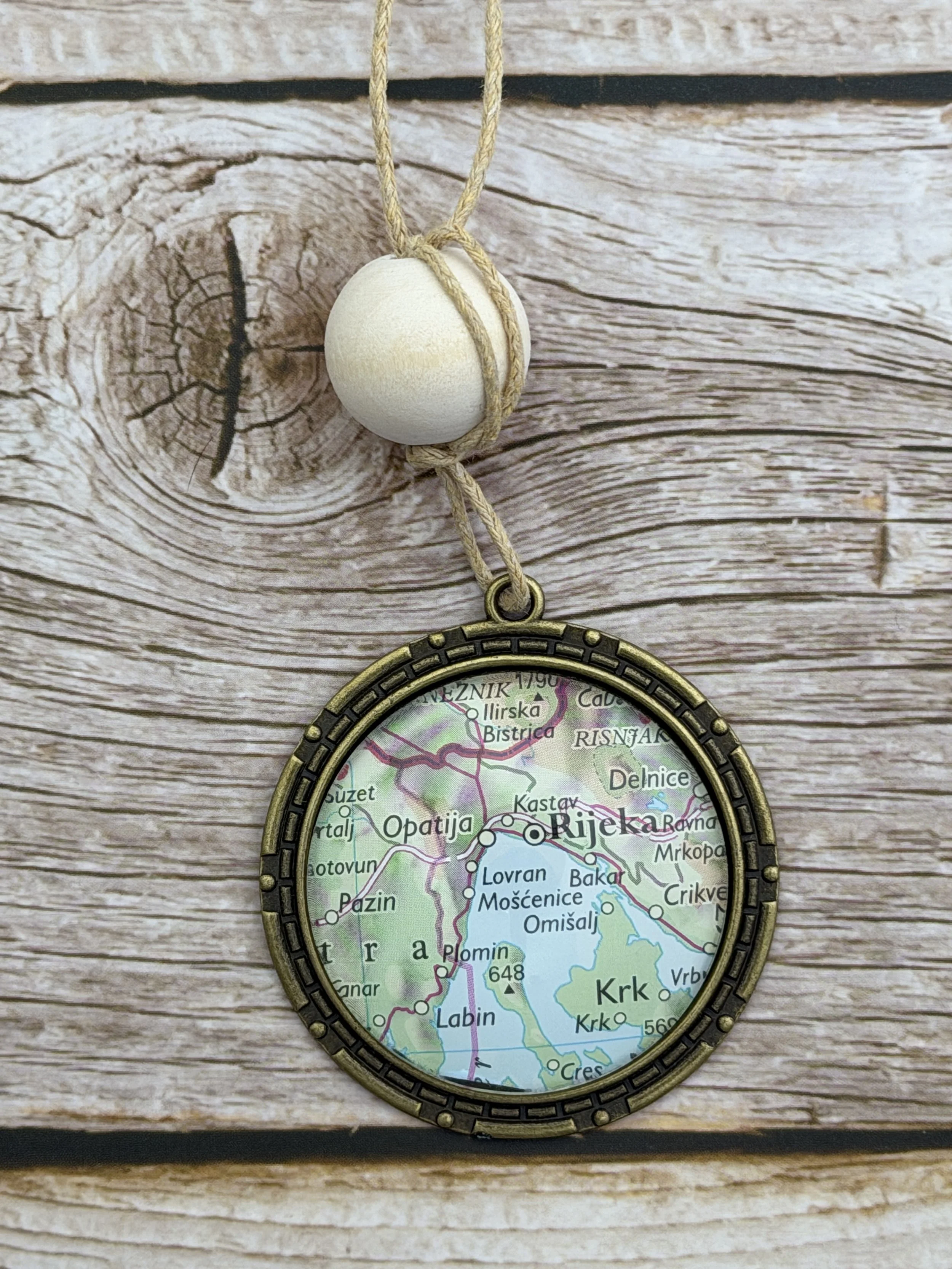
Unedited - The background is a studio photography backdrop for product photography.
But here's the problem with that wording.
Digital cameras and smartphones already process photographs before we ever see them.
Exposure, white balance, sharpening, contrast, and color processing are often handled automatically by the camera's software. Photographers can also adjust camera settings before pressing the shutter.
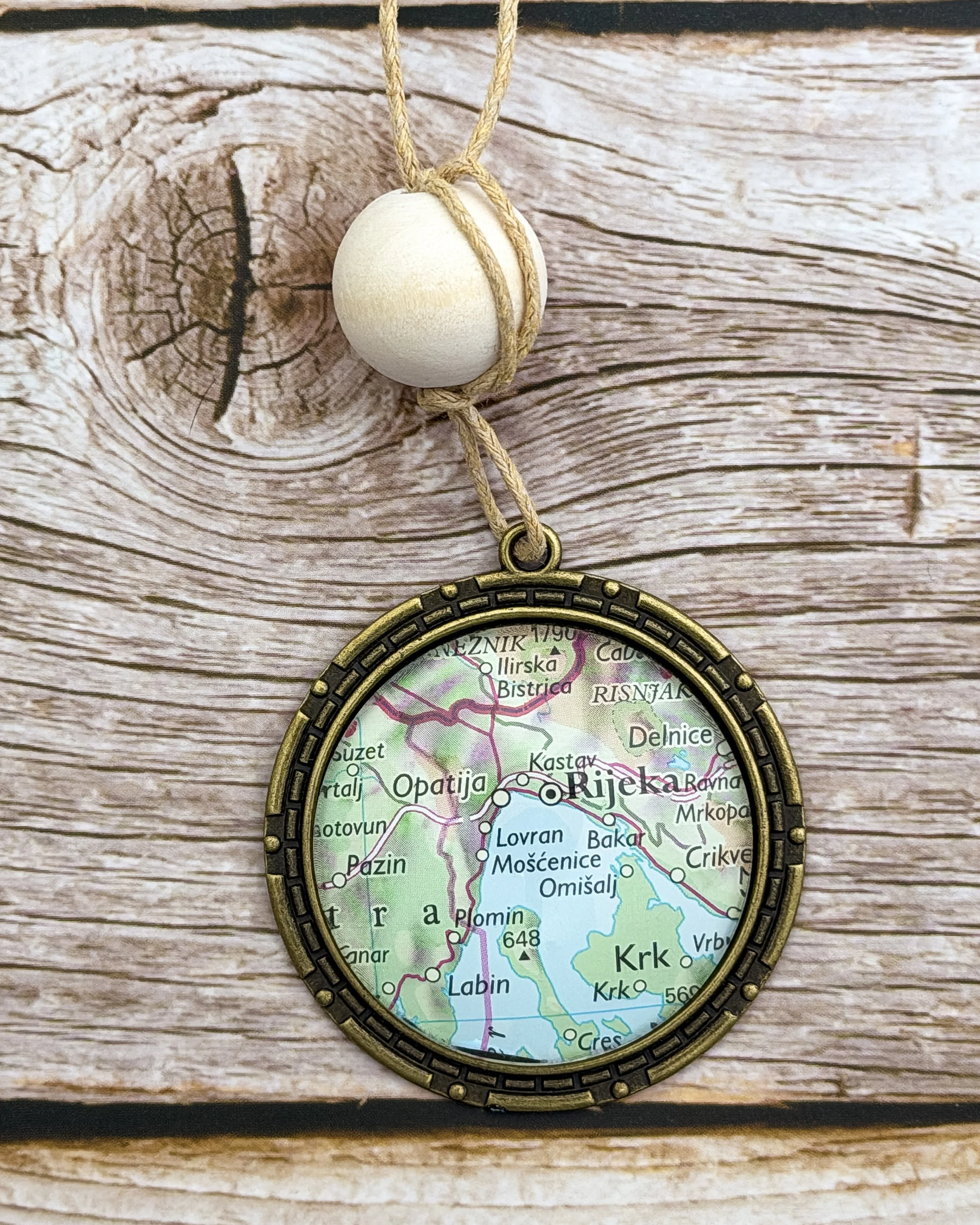
Edited
Then there's the difference between what a camera records and what the human eye sees.
Anyone who has photographed a painting knows that getting the colors to appear accurately on a screen can be challenging.
A watercolor painting photographed indoors may look darker or warmer than it actually is. A minor exposure or white balance correction can make the photograph more faithful to the original artwork.
Is that manipulation?
From my perspective, no.
It's part of the photographic process.
However, Etsy's new policy distinguishes between the one required unedited photograph and additional photographs that may be adjusted.
That requirement is understandable in principle, but I'd like more clarity about how it will be interpreted in practice.
Who Decides Whether a Photograph Has Been Edited?
This is probably my biggest concern.
Etsy has announced that it is investing in technology to identify potentially misleading images and detect AI-generated imagery.
But how will the platform distinguish between an authentic photograph, standard photographic processing, and a genuinely manipulated image?
Will a real person review photographs before action is taken?
How accurate will automated detection be?
And what happens when a seller's legitimate product photograph is incorrectly identified as problematic?
Etsy says sellers can appeal listing removals through its Policy Violations page. That's helpful, but I'd still like to understand how those decisions are made and whether sellers can obtain meaningful human review when necessary.
Artists and photographers shouldn't have to guess whether their photographs will be considered acceptable.
There's a Difference Between Editing and Fabricating
I think this is where the conversation about AI sometimes gets lost.
Using Photoshop to correct the exposure of a photograph is not the same as using an AI image generator to invent a product that has never been made.
Removing a misleading shadow from an image is different from digitally creating details that don't exist on the actual product.
And presenting a handmade item in a realistic setting is different from creating an image that gives buyers false expectations about what they're purchasing.
The important distinction should always be whether the photograph accurately represents the item being sold.
That's something I've believed throughout my photography career, and it's how I approach photographing my own artwork today.
What I'd Like Etsy to Clarify
I would like Etsy to provide more specific guidance for artists, makers, and photographers who create and photograph their own products.
Examples of acceptable and unacceptable editing would be helpful, particularly when it comes to exposure correction, white balance, cropping, and sharpening.
I'd also like to know more about the review process and what happens when an authentic photograph is mistakenly flagged.
Etsy has its own editing tools, and many sellers have invested years learning professional photography and editing software. These are legitimate tools used to represent real products.
The policy should recognize that.
My Final Thoughts
I support Etsy's efforts to protect the integrity of its marketplace.
I believe handmade artists deserve a platform where their work isn't competing against misleading images of products that may not exist.
And I believe customers deserve to know that what they're purchasing is what they'll actually receive.
But I also believe policies need to be written with a clear understanding of the creative processes they're regulating.
Photography isn't simply pointing a camera at something and pressing a button. It never has been.
Technology has changed how we capture and process images, but the fundamental responsibility remains the same.
Represent the subject accurately. Don't mislead the viewer.
That's a standard I can support.
I just want Etsy to explain exactly how it intends to apply it.
I'm an artist and professional photographer behind A Wandering Palette, where I create and sell original artwork, art prints, and handmade designs using authentic vintage maps through Etsy and local events.
Sources:
Etsy — Important Updates to AI Use on Etsy (October 22, 2026)
https://www.etsy.com/seller-handbook/article/1522733284810
Etsy — Listing Image Requirements
https://www.etsy.com/legal/policy/listing-image-requirements/253962679005